Travel Tips to making the most of your sports history experience
Revealing America's Legacy at the National Ballpark Museum
The National Ballpark Museum offers a unique view into America's baseball legacy. Through its collection of artifacts and displays, visitors can discover the sport's evolution alongside social changes. Iconic jerseys and uncommon photographs tell narratives of legends and their impact on the game. As groups interact with interactive displays, they uncover how baseball remains connected with American culture. What insights might this museum reveal about the tomorrow of the sport?
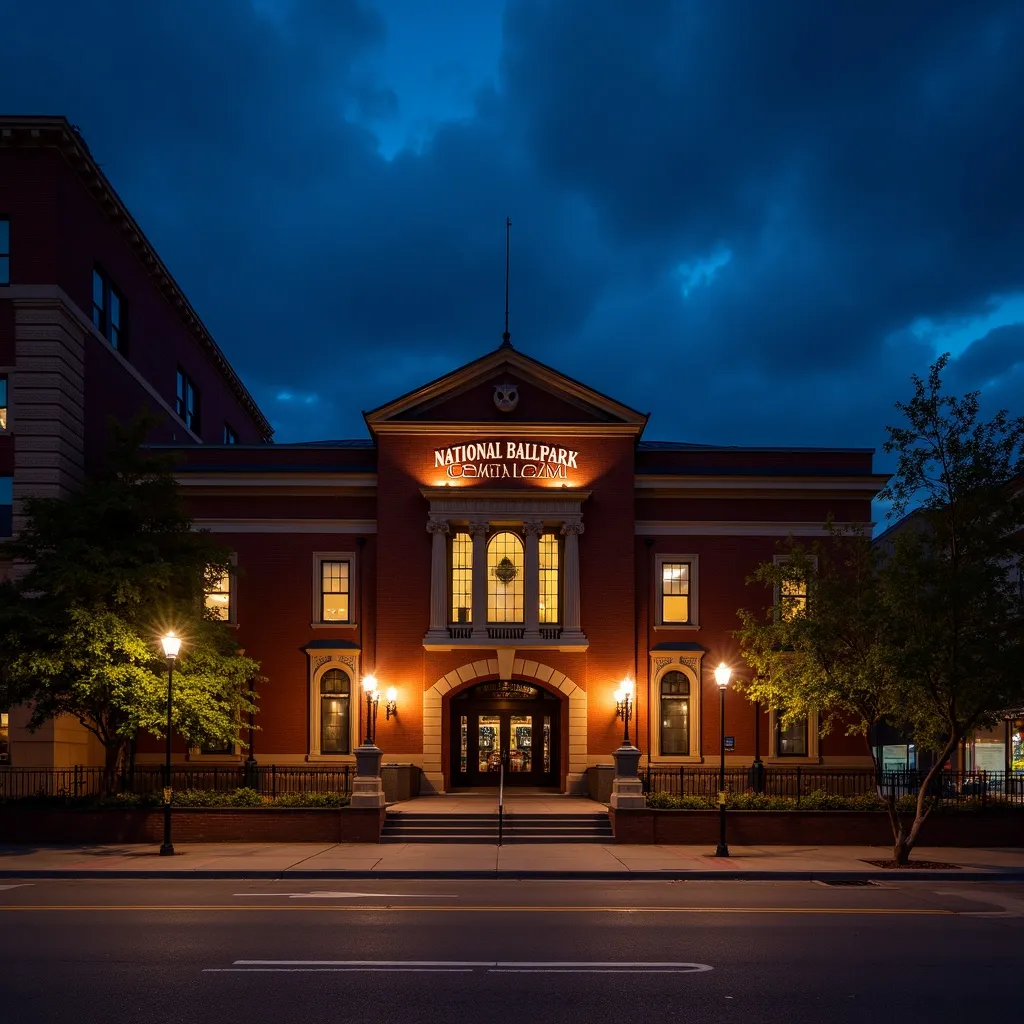
The Substantial Chronicles of Baseball in America
Baseball, frequently known as America's national sport, has a colorful history that helps define the cultural character of the nation. Taking shape in the mid-1800s, the sport swiftly gained traction, displaying the social patterns and regional characteristics of the period. The founding of established competitive organizations revolutionized baseball into a mainstay of American entertainment, with the National League forming in 1876 and the American League following in 1901.
Major events, such as the integration of baseball in 1947 with Jackie Robinson, denoted substantial cultural shifts, challenging conventional norms and promoting civil rights. The game has also witnessed celebrated figures, from Babe Ruth to Hank Aaron, whose contributions reverberate beyond the diamond. Historic ballparks have held countless memorable moments, generating a shared experience for fans. Overall, baseball serves as a reflection of American history, encapsulating triumphs, struggles, and the enduring spirit of a nation united by its passion for the game.
Historic Baseball Treasures You Shouldn't Bypass
While memories of legendary games and historic moments linger in the minds of fans, iconic baseball memorabilia operates as physical ties to the sport's rich heritage. The National Ballpark Museum houses an striking selection, displaying items that capture the nature of baseball's past. Visitors can marvel at classic garments worn by Hall of Famers, each thread telling a story of accomplishment and fortitude. Signed spheres, preserved in glass cases, present windows into direct relationships between players and fans, while scarce National Ballpark Museum activities prints eternalize pivotal moments in baseball history.
Among the main exhibits are championship rings, signifying the zenith of success, and vintage tickets that carry visitors back to remarkable contests. Each item inspires reflection and regard for the game's transformation. This carefully selected collection not only presents the sport's pivotal moments but also generates wistful feelings, informing visitors of the enduring legacy of America's pastime.
Encounter the Legends: The Way the Museum Highlights Baseball Icons
Recognition of baseball icons permeates the setting of the National Ballpark Museum, where guests are encouraged to discover the lives and accomplishments of the sport's most iconic figures. The museum displays captivating exhibits that spotlight the careers of baseball greats, delivering artifacts, photographs, and interactive displays that bring their stories to life. Each section is meticulously curated to reflect the unique contributions of players such as Babe Ruth, Jackie Robinson, and Hank Aaron, showcasing their impact both on and off the field.
The museum also holds special events and guest speakers, offering fans with opportunities to hear firsthand accounts and insights from former players and historians. This dedication to honoring baseball icons cultivates a deep connection between visitors and the legends who shaped the game. Through its immersive environment, the National Ballpark Museum guarantees that the legacy of these players keeps inspiring future generations of baseball enthusiasts.
Explore How Baseball Stadiums Have Progressed
Throughout the decades, baseball's stadiums have metamorphosed significantly to fulfill the changing requirements of fans and players alike. Early ballparks were elementary, equipped with wooden bleachers and limited amenities, chiefly built for the game itself. Nevertheless, as the sport gained popularity, stadiums started to incorporate more features, like upgraded seating, concessions, and restrooms, enriching the overall experience.
The emergence of advanced systems led to substantial growth, including electronic scoreboards and upgraded sound systems. Structurally, stadiums progressed from the balanced, conventional aesthetics to increasingly bespoke, audience-centered arrangements, generating captivating settings that embody local character. The proliferation of business ties also impacted construction, with premium boxes and elite accommodations turning into the norm. Today, stadiums function as flexible establishments, accommodating performances and gatherings outside of baseball, emphasizing their flexibility and importance in American society. This shift demonstrates not merely a pastime, but a lively social hub.
Family-Friendly-Events at the National Ballpark Museum
The National Ballpark Museum features a assortment of family-centered activities that celebrate the rich history of baseball and its distinguished stadiums. Families can delight in interactive exhibits that welcome children to participate in the sport's history through tactile experiences. A quest throughout the museum inspires young visitors to locate artifacts and understand celebrated figures and pivotal occasions.
Additionally, the museum arranges instructional sessions where children can develop their baseball skills, explore the science of the game, and participate in storytelling sessions about famous teams and their achievements. Special events, such as family days, often present guest speakers from the baseball community, delivering a personal touch to the experience. With its welcoming environment and varied activities, the National Ballpark Museum encourages a love for baseball, making it an ideal venue for families looking to spend time together over America's favorite pastime.
Arrange Your Visit to the National Ballpark Museum
Thinking about how to maximize a tour to the National Ballpark Museum? Visitors are encouraged to review the museum's web portal for present hours and admission fees before planning their visit. Located in Denver, Colorado, the museum is conveniently accessible via public transportation and offers adjacent parking options. It is advisable to dedicate at least two hours to tour the extensive exhibits, which showcase baseball history and memorabilia.
For visitors seeking a structured tour, the museum delivers knowledgeable tours that delve deeper into the collections. Families can appreciate participatory installations, making it a remarkable experience for all ages. Additionally, patrons should think about scheduling their arrival to match with special events or changing displays for an enhanced experience. Finally, the museum shop sells special mementos for fans to carry away, ensuring that the visit creates a lasting impression.
Frequently Asked Questions
What Are the Museum's Operating Hours?
The museum functions from 10 AM to 5 PM, Tuesday through Sunday. It remains closed on Mondays, allowing staff to care for displays and prepare for the next day's attendees keen to explore its offerings.
What is the Entrance Fee for Entering the Museum?
The museum levies a modest entrance fee for entry. Patrons can appreciate a rich collection of historical artifacts and exhibits, improving their understanding of the sport's impact on American culture and history.
Are organized tours available at the Museum?
The museum offers guided visits that give patrons with a comprehensive experience. Informed guides present insights and tales about the displays, enriching the understanding of baseball history and its cultural importance.
Can I Get Souvenirs at the Museum?
You can buy souvenirs at the gallery. Guests will come across a selection of souvenirs, such as wearables, collectibles, and themed goods, permitting them to get a piece of the experience from their time there.
Are Museum Premises Mobility Device Accessible?
The museum is wheelchair accessible, ensuring that all visitors can explore its displays with ease. Accessible ramps and marked routes are provided, encouraging inclusive access and allowing everyone to enjoy the extensive historical collection showcased within its spaces.